
Analyzing casino layouts: How design influences player behavior
The Role of Space in Casino Design
The physical layout of a casino plays a crucial role in shaping player behavior and overall experience. Designers carefully consider the flow of space, ensuring that players are drawn into gaming areas without feeling overwhelmed. For instance, wide pathways facilitate easy navigation, encouraging exploration and making it more likely that visitors will try various games. This strategic arrangement can lead to increased playtime and potential spending, benefiting both the casino and its patrons.
Moreover, the use of open spaces allows for the incorporation of social areas, such as lounges and bars, which further enhances the player experience. These areas provide a respite from gaming while also cultivating a lively atmosphere that promotes social interactions among players. The blend of gaming and relaxation fosters a sense of community, which can significantly influence player retention and loyalty to a casino.
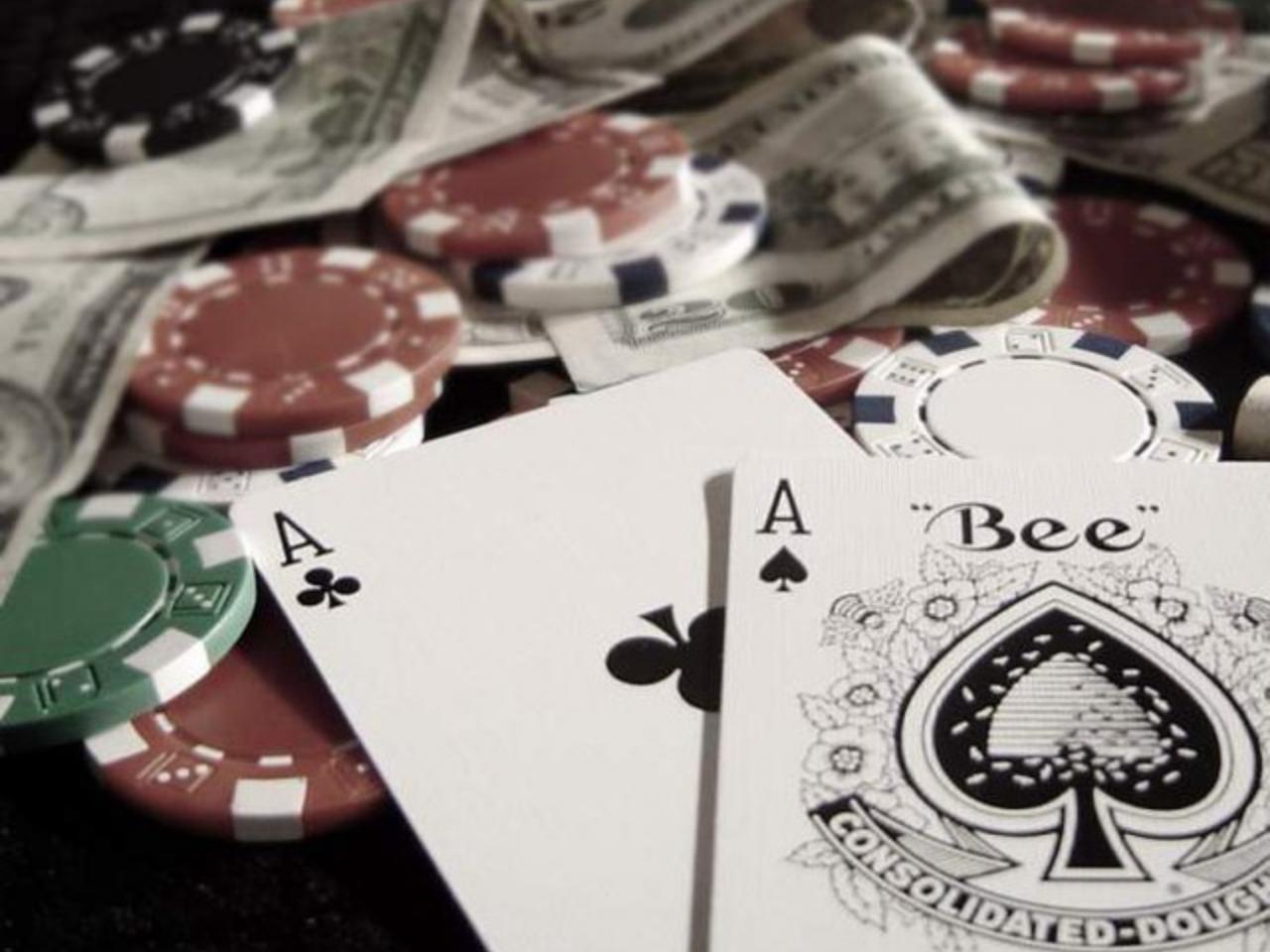
Additionally, during the design process, careful zoning can influence player behavior. For instance, placing high-stakes tables away from the main thoroughfares can attract a more focused audience, while more playful, family-friendly games might be positioned in high-traffic areas. This strategic placement can guide different demographics to particular areas, ensuring the environment caters to a diverse range of players.
The Impact of Lighting on Player Engagement
Lighting is another pivotal element in casino design that affects how players interact with the environment. Intense and dynamic lighting can create a sense of excitement, drawing attention to specific games and activities. Conversely, softer, ambient lighting can encourage players to relax and linger longer at tables and machines. By balancing these lighting approaches, casinos can manipulate moods and enhance player engagement.
Furthermore, strategic backlighting on gaming apparatus helps attract players while simultaneously creating focal points within the casino. Brightly lit slot machines often signal action and opportunity, enticing players to try their luck. As a result, the right lighting combination can lead to increased player participation, translating into higher revenue for the establishment.

Moreover, as daylight changes, so does the lighting within the casino. Some establishments utilize circadian light patterns, mimicking the natural changes in daylight to influence players’ energy levels and enhance their overall experience. Such advancements in lighting technology underscore the importance of a dynamic approach, ensuring that the casino environment remains inviting and engaging throughout the day and night.
Color Schemes and Their Influence
Color psychology plays a significant role in casino design, influencing emotions and behavior. Warm colors, such as reds and golds, are often used to promote feelings of excitement and urgency, motivating players to engage more actively. Meanwhile, cooler tones may create a sense of calm, leading players to feel more comfortable and willing to spend extended time in a casino.
These carefully selected color schemes can also heighten the visual appeal of a casino, encouraging players to explore different areas and engage with various games. The challenge for designers lies in harmonizing color choices to ensure they resonate positively with both casual players and high rollers, thus fostering inclusivity and a broad range of experiences within the casino.
Additionally, numerous studies have demonstrated the psychological impact of specific color combinations on mood and spending behavior. For instance, integrating subtle accents of green and blue can create a more relaxed atmosphere, making players feel at ease, potentially leading to longer playtime and increased wagers as they immerse themselves in the gaming experience.
The Importance of Sound Design
In addition to visual elements, sound plays a substantial role in shaping player experiences within a casino. The auditory environment is often meticulously crafted to heighten excitement and incite engagement. Sounds from slot machines, such as jingles and upbeat music, can create a stimulating atmosphere that encourages players to spend more time playing.
Conversely, quieter areas or soft background tunes may promote relaxation, appealing to players who prefer a more subdued gaming experience. This auditory layering allows casinos to tailor their environments based on the demographic and the time of day, further influencing player behavior and choices as they navigate the gaming floor.
Moreover, the integration of dynamic soundscapes that vary throughout the day can further enhance the overall experience. Early in the morning, a softer sound palette may greet players, while the evening may bring lively music and energetic sound effects to heighten the sense of fiesta. This adaptability in sound design not only keeps the atmosphere fresh but also supports the varying moods and preferences of the players.
Exploring More on Casino Design
For those interested in delving deeper into the intricacies of casino layouts and their psychological impact on player behavior, exploring resources and studies on the subject can be quite enlightening. Many factors contribute to the successful design of a casino, from layout and lighting to sound and color schemes. These elements collectively shape player experiences and ultimately drive engagement and revenue.
Whether you are a casino operator, a designer, or just an enthusiast looking to broaden your understanding, numerous insights are available. To start your exploration, try now and discover how thoughtful design can elevate the gaming experience. Engaging with professionals in the industry or attending design seminars can also provide invaluable perspective, allowing for a richer understanding of how each detail can influence the player journey.