
The hidden drivers of gambling behavior and how they shape decision-making
The Psychological Foundations of Gambling Behavior
Understanding gambling behavior starts with an exploration of psychological factors that influence decision-making. Central to this is the concept of risk-taking. Individuals often engage in gambling as a means of escaping reality, seeking thrill, or experiencing a rush of excitement. This psychological drive can override rational thinking, making individuals prone to impulsive decisions that prioritize immediate gratification over long-term consequences. In this context, many players turn to https://justcasino-nz.org for a wide variety of gaming options tailored to their preferences.
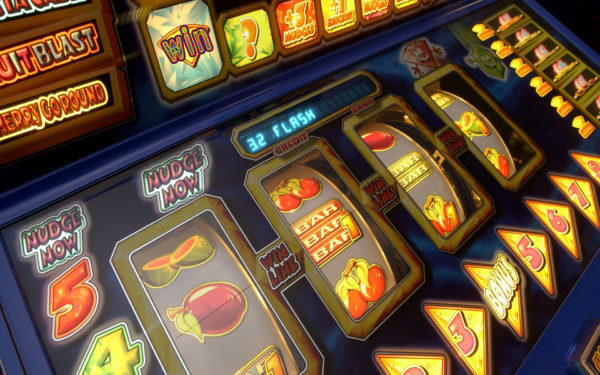
Moreover, cognitive biases play a significant role in gambling behavior. Gamblers often fall victim to the illusion of control, believing they can influence outcomes through skill or strategies, despite the inherent randomness of games. This mindset can lead to a persistent cycle of betting, as players convince themselves that they are on the verge of a win, reinforcing the behavior through skewed perceptions of past experiences.
Social factors also contribute to gambling behavior, as individuals are often influenced by peer pressure and cultural norms. For example, environments that normalize gambling, such as casinos or sports events, can amplify the desire to participate. Individuals may find themselves drawn into gambling activities simply to conform to social expectations or gain acceptance within their social circles, illustrating how intertwined social dynamics are with gambling decisions.
The Role of Emotion in Gambling Decisions
Emotion plays a critical role in shaping gambling decisions, often overriding logical reasoning. When players experience emotions like excitement or frustration, their decision-making processes can become distorted. For instance, winning can lead to a euphoric state, encouraging riskier bets and leading to larger stakes than initially intended. Conversely, losses can evoke feelings of anger or despair, prompting individuals to chase losses in an attempt to reclaim their previous status, further complicating their decision-making.
The phenomenon of “loss aversion” also contributes to emotional decision-making in gambling. Research shows that the pain of losing is often felt more intensely than the joy of winning. As a result, gamblers may take irrational risks to avoid experiencing loss, leading them to engage in behaviors that could exacerbate their financial situation. This emotional rollercoaster can create a cycle where emotions dictate choices, often leading to harmful consequences.
Furthermore, the use of gambling as an emotional coping mechanism cannot be overlooked. Some individuals turn to gambling to alleviate stress, boredom, or loneliness, believing that the thrill of potential winnings can provide temporary relief. This emotional reliance can escalate the likelihood of developing problematic gambling behaviors, as individuals seek solace in the excitement of games rather than addressing underlying issues, thus impacting their long-term decision-making capacities.
The Influence of Environmental Factors
Environmental factors significantly impact gambling behavior, shaping how and when individuals engage with gambling activities. For example, the design and atmosphere of a casino can create a stimulating environment that encourages prolonged gambling sessions. Bright lights, attractive sounds, and the presence of other players can heighten excitement and diminish the perception of time, leading individuals to gamble longer than they initially planned.
Accessibility to gambling venues also affects decision-making. In regions where gambling is easily accessible, individuals are more likely to engage in gambling activities. This is exacerbated by the rise of online gambling platforms, which allow users to gamble from the comfort of their homes. The ease of access can lead to impulsive decisions, as individuals may find themselves betting at any time, often without the same level of consideration they would have in a physical casino.
Moreover, the influence of advertising cannot be ignored. Marketing strategies used by gambling companies often glamorize the lifestyle associated with gambling, portraying it as a quick way to wealth and excitement. This can shape perceptions, leading individuals to believe that gambling is a viable means of income, which can skew their decision-making processes. Ultimately, the environment surrounding gambling activities plays a crucial role in shaping both the frequency and nature of individuals’ decisions.
The Impact of Personal Beliefs and Values
Personal beliefs and values significantly influence gambling behavior, dictating how individuals perceive risk and reward. Those who view gambling as a form of entertainment may approach it with a more relaxed attitude, setting limits and viewing losses as part of the experience. In contrast, individuals who associate gambling with financial gain may adopt a more reckless attitude, leading to riskier behaviors and poor decision-making.
Additionally, cultural beliefs can affect attitudes toward gambling. In some cultures, gambling is seen as taboo or morally wrong, which can discourage individuals from engaging in such activities. Conversely, in cultures where gambling is accepted or celebrated, individuals may feel more encouraged to participate. These cultural frameworks can shape individual behaviors and choices, highlighting the importance of societal context in gambling decision-making.
Self-perception and identity also come into play. For some, being a “gambler” becomes part of their identity, influencing how they approach decision-making. This self-labeling can lead to an entrenched view that prioritizes gambling as a central aspect of life, sometimes at the expense of other personal and financial responsibilities. Thus, understanding how personal beliefs intersect with gambling behavior is crucial for understanding the complexity of decision-making in this realm.

Just Casino: A Responsible Gaming Environment
Just Casino New Zealand stands as a premier destination for online gaming, offering a variety of games while prioritizing player safety and responsible gaming practices. With an extensive library of over 3,500 games, the platform caters to diverse preferences, ensuring a rewarding experience for all users. The casino’s commitment to responsible gaming helps foster an environment where players can enjoy gambling without succumbing to harmful behaviors.
To further enhance user experience, Just Casino provides generous welcome bonuses, which incentivize newcomers while promoting responsible play. Players can enjoy a welcome bonus of up to NZ$4,000 along with 300 free spins, creating an engaging entry point into the gaming world. Such offers are designed to attract players while ensuring they remain aware of their limits and the importance of responsible gambling practices.
In addition to its array of games and attractive bonuses, Just Casino emphasizes reliable customer support and rapid withdrawals, ensuring that players have a seamless experience. The casino is dedicated to creating a safe and enjoyable gaming environment, highlighting its commitment to promoting responsible gambling. This focus on player safety underscores the importance of balancing entertainment with awareness, ultimately shaping a more responsible approach to gaming decision-making.